How to spot a romance scam before you send money
In briefHow fake relationships on dating apps and social media are used to get money or start a fake investment, the warning signs, and what to do if you already paid.
By Scammers.com Staff · Published · 4 min read
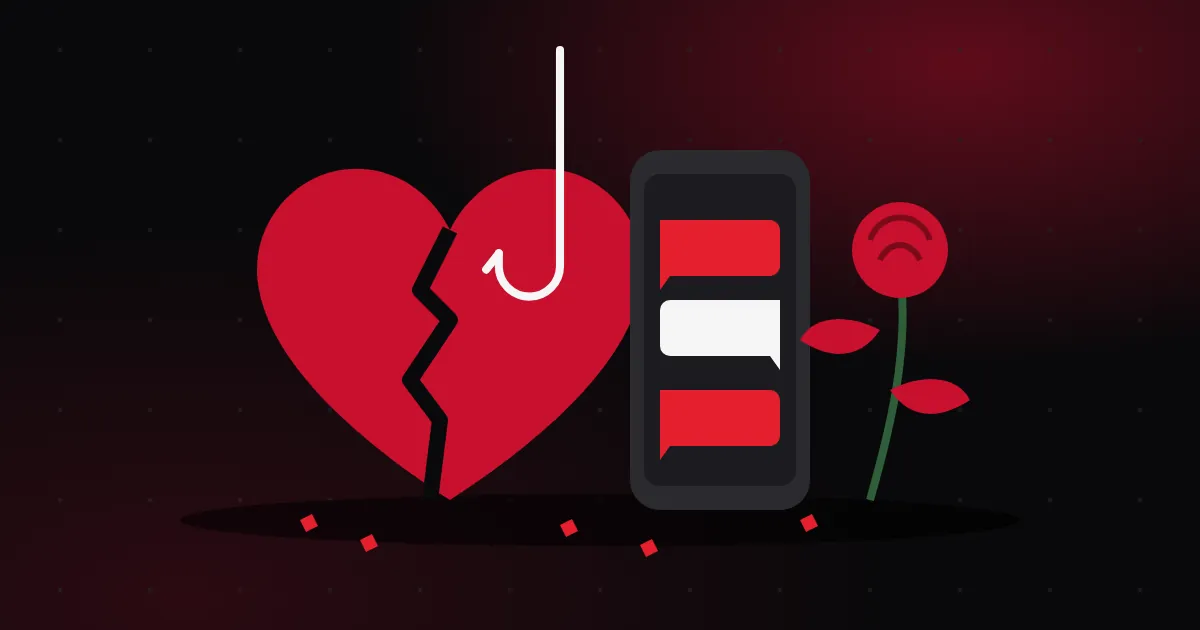
You meet someone on a dating app, social media, or a "wrong number" text. The conversation is constant and flattering. They cannot meet in person. After trust is built, they ask for money — or they invite you to invest on a platform they recommend. That is a romance scam, and it is designed to feel like a relationship, not a transaction.
These cases are fewer in number than some other internet crimes, but the losses are large. In 2025, the FBI's Internet Crime Complaint Center recorded 23,159 confidence and romance complaints and $929,287,469 in reported losses [1]. Among people 60 and older, reported romance-related losses were $584,032,745 [1]. The Federal Trade Commission has long advised a simple rule: do not send money or gifts to a romantic interest you have not met in person.
Some romance contacts are also the first stage of a long-con investment scheme, sometimes called pig butchering, in which a new friend or partner steers you to a fake trading platform. The FBI has described cryptocurrency investment scams that start through text messages, social media, advertisements, or dating apps and then move to a private messaging app [1]. This guide focuses on the relationship itself. For fake trading apps and guaranteed returns, see our investment-scam guide.
How it works
The profile may use stolen photos and a made-up name, job, or military posting. The person wants to leave the dating app quickly and talk all day on a messaging service. They have a reason they cannot video-call or visit: they are overseas, on an oil rig, in the military, or tied up at work.
When the request for money comes, it is framed as an emergency or as a step toward being together: a plane ticket, a visa, medical bills, customs fees, or help with an investment. Payment is usually requested by wire, payment app, gift cards, or cryptocurrency, methods that are hard to reverse.
In cases covered on this site, prosecutors have described invented identities, including fake online partners and, in some investigations, dating-app pitches that led into investment schemes. Those articles describe people who have been charged, pleaded guilty, or been sentenced. They are not a statement about anyone you have only met online.
Red flags
- They cannot or will not meet in person or do a live video call, or the calls are always short, blurry, or delayed.
- They ask you to move the chat off the dating app very quickly.
- The profile seems too polished, or a reverse-image search of the photos turns up another name.
- They ask for money, gift cards, or cryptocurrency, including for travel, medical bills, a visa, customs, or an "investment."
- They steer you toward a trading website or app and offer to show you how to invest.
- Friends or family are worried, or the person asks you to keep the relationship or the payments secret.
Any request for money from someone you have not met in person is a reason to stop and talk with someone you trust.
What to do if you suspect a romance scam
Stop sending money and, if you can, stop the conversation. Do not "lend" one more payment to help them travel or get out of trouble.
Talk to a friend, a family member, or a trusted adviser. If the contact started on a dating app or social network, report the profile to the platform. Forward related texts to 7726 (SPAM). File a report at ReportFraud.ftc.gov and consider ic3.gov, especially if the losses are large or involve cryptocurrency [2][3]. You can also report the profile, number, or website on Scammers.com.
What to do if you already sent money or personal information
- Contact your bank, payment-app provider, or card issuer immediately and explain that you sent money to someone you met online and now believe it was a scam. Ask whether a transfer can be stopped or a charge disputed.
- If you bought gift cards, contact the issuer with the card numbers and receipts as soon as you can.
- If you sent cryptocurrency, write down wallet addresses and transaction IDs and contact the exchange you used. Also file a report with IC3.
- If you shared financial logins, photos, or identity documents, change passwords from a device you trust, turn on two-step verification, and use IdentityTheft.gov if identity details were involved [4].
- Save the chat history, profile pages, receipts, and transfer records, then report the matter to the FTC, IC3, and local police [1][2].
Be cautious of anyone who contacts you later claiming they can recover the money for a fee, or of a new "investigator" or "lawyer" who already knows what happened. Recovery scams often target people who have already lost money.
There is no shame in reporting this. These operations are built by groups that rehearse their stories. Reporting helps law enforcement and can help someone else.
Related coverage on Scammers.com
Our case coverage includes a guilty plea in a romance scheme built on invented identities, guilty pleas in a Ghana-based ring prosecuted in New York, guilty pleas in a case prosecutors said took millions from older Americans, a sentence in a case involving a fake online persona, and a case in which the FBI said a dating-app investment scheme targeted women in several states. There is also coverage of charges in a Madagascar compound case that prosecutors tied to dating-site personas and fake NFT investments.
If the person you met also pushed a trading app, read how to spot a fake investment scam.
Sources
- FBI Internet Crime Complaint Center, 2025 Internet Crime Report, reported April 6, 2026.
- Federal Trade Commission, ReportFraud.ftc.gov.
- FBI Internet Crime Complaint Center, ic3.gov. See also FBI, Cryptocurrency and AI Scams Bilk Americans of Billions, press release, April 6, 2026.
- Federal Trade Commission, IdentityTheft.gov.
Corrections and updates: If you are named in this article, or represent someone who is, and believe anything here is inaccurate or out of date (including a dismissal, acquittal, or change in case status), please contact us at support@scammers.com. We will review it and update the article promptly.
Related scam reports
- #romance
- #dating
- #crypto
- #social media