Couple Extradited From the Dominican Republic in Alleged Sextortion Scheme Targeting Puerto Rico
Patricia Joanna Almonte-Frías and Rineldys Feliciano Díaz-Cuevas were extradited on charges in an alleged sextortion scheme. Both are presumed innocent.
By Scammers.com Staff · · 5 min read
Published Oct. 15, 2026. Case status is current as of that date.
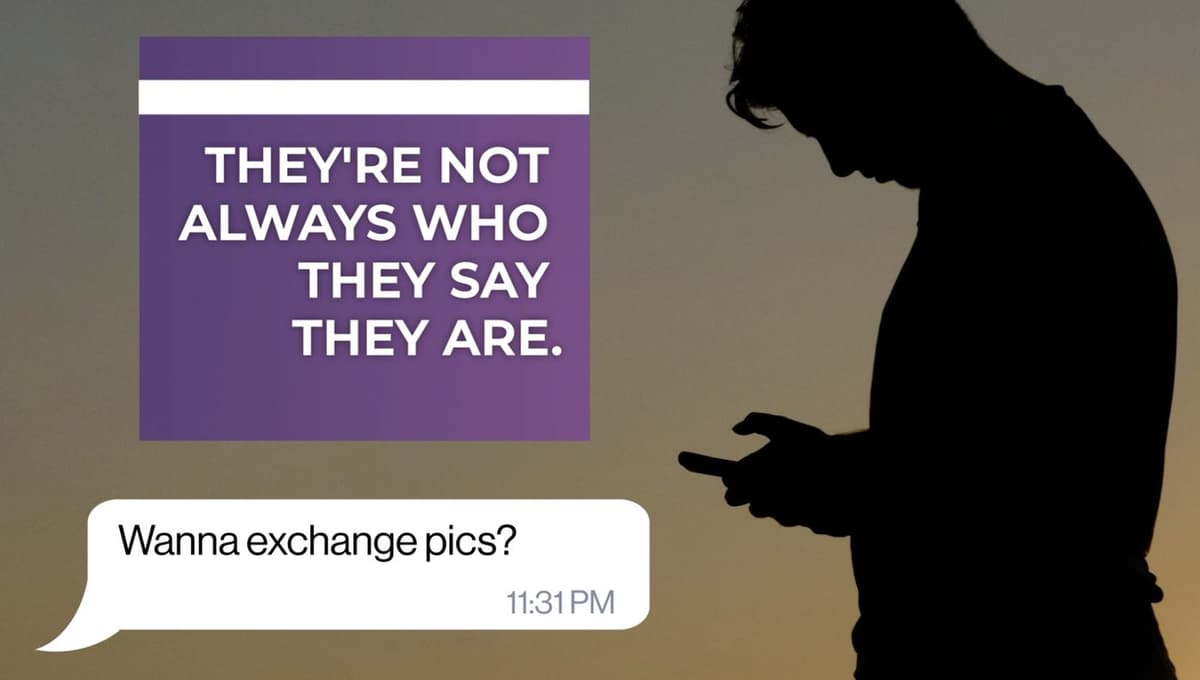
The conversation started on social media, with a woman's photo. According to federal prosecutors in Puerto Rico, it ended with demands for money, threats to send intimate videos to victims' families, and in some cases fake photo collages meant to make victims look like they had been involved with minors.
Patricia Joanna Almonte-Frías and her partner, Rineldys Feliciano Díaz-Cuevas, were extradited from the Dominican Republic to face charges of conspiracy to cyberstalk and send interstate threats, Acting U.S. Attorney Héctor Ramírez-Carbó announced on Oct. 9, 2026 [1]. The two were arrested in the Dominican Republic on Aug. 19, 2026, at the request of the United States, and extradited to Puerto Rico on Sept. 30.
Important: Almonte-Frías and Díaz-Cuevas are charged, not convicted. The Justice Department notes that "An indictment is merely an allegation and all defendants are presumed innocent until proven guilty beyond a reasonable doubt in a court of law" [1]. We could not find a public statement from either defendant or a defense attorney.
How the alleged scheme worked
According to court documents described by prosecutors [1]:
- Finding targets. Operating from the Dominican Republic, the defendants "identified and sextorted victims using Facebook, WhatsApp, and other social media platforms."
- The lure. Almonte-Frías "used her image to encourage victims in Puerto Rico to share online sexually explicit photos and videos (which were secretly recorded)."
- The demand. Díaz-Cuevas and other co-conspirators then demanded money from victims "under threat of exposing the compromising images to the victims' family and friends."
- Escalation. In some instances, the defendants allegedly combined victims' explicit images with images of minors, "thereby giving the false impression that victims were involved in sexual relationships with minors."
- Paying didn't stop it. "On multiple occasions," prosecutors say, victims paid, "emptied their accounts, and the defendants still carried out the threats," sending the images to victims' friends and family online.
Primera Hora, reporting on the government's announcement, described the same allegations in Spanish, including that some victims emptied their bank accounts and the threats were carried out anyway [2]. Diario Libre in Santo Domingo also reported the extradition [3].
The government did not say how many victims there were or how much money was paid.
The people charged
Patricia Joanna Almonte-Frías [1]
- Alleged role: used her image to draw victims into sharing explicit content that was secretly recorded.
- Charge: conspiracy to cyberstalk and send interstate threats, 18 U.S.C. § 371.
- Status: extradited Sept. 30, 2026; initial appearance Oct. 1, 2026. Presumed innocent.
Rineldys Feliciano Díaz-Cuevas [1]
- Alleged role: with other co-conspirators, demanded money from victims under threat of exposure.
- Charge: conspiracy to cyberstalk and send interstate threats, 18 U.S.C. § 371.
- Status: extradited Sept. 30, 2026; initial appearance Oct. 1, 2026. Presumed innocent.
Both appeared before U.S. Magistrate Judge Marcos E. López in the U.S. District Court for the District of Puerto Rico. If convicted, each faces a maximum of five years in prison. The FBI in San Juan investigated, with help from the Justice Department's Office of International Affairs, the FBI legal attaché in Santo Domingo, the U.S. Marshals Service and Dominican authorities. Assistant U.S. Attorney Julián Radzinschi is prosecuting [1]. Other alleged co-conspirators were not named.
"Sextortion is a ruthless crime, and today's prosecution makes clear that those who exploit victims—no matter where they hide—will be identified, pursued, and held to account," Ramírez-Carbó said [1].
"The FBI encourages all citizens to remain vigilant online and report to the authorities if you suspect you have been a victim of extortion," said Carlos R. Goris, special agent in charge of FBI San Juan [1].
Red flags
- A new, attractive contact on Facebook, Instagram or WhatsApp who quickly turns the conversation sexual.
- Pressure to move to video chat or to send photos or videos right away.
- A sudden switch to threats once something explicit is shared, often with screenshots of your friends or family list.
- Demands for money "or else," with short deadlines.
- Threats involving fabricated images, including claims that will be "shown" to your contacts.
What to do if you're targeted
The FBI's guidance for sextortion targets is consistent with this case: paying often doesn't end it. "Cooperating with the predator rarely stops the blackmail and harassment—but law enforcement can," the bureau says [4].
- Stop responding and don't pay. Prosecutors say victims here paid and the threats were carried out anyway [1].
- Save everything before blocking: usernames, phone numbers, messages, payment details. The FBI says saved interactions "can help law enforcement identify and stop the predator" [4].
- Report the account to the platform and then block it.
- Report it to the FBI at tips.fbi.gov or 1-800-CALL-FBI, or to local police [4].
- Get images removed. Adults can use StopNCII.org, a free tool that creates digital "hashes" of intimate images on your own device and shares only those with participating companies [5]. For images taken when someone was under 18, the FBI points to the National Center for Missing & Exploited Children's Take It Down tool [4].
- Remember that you're not at fault. The FBI's first piece of advice is "Understand you are not at fault and you are not alone" [4].
Case status (as of Oct. 15, 2026)
| Defendant | Court | Status as of Oct. 15, 2026 | Source |
|---|---|---|---|
| Patricia Joanna Almonte-Frías | U.S. District Court, D.P.R. | Charged with conspiracy to cyberstalk and send interstate threats (18 U.S.C. § 371); arrested in Dominican Republic Aug. 19, 2026; extradited Sept. 30; initial appearance Oct. 1 | [1], [2] |
| Rineldys Feliciano Díaz-Cuevas | U.S. District Court, D.P.R. | Same charge; arrested Aug. 19, 2026; extradited Sept. 30; initial appearance Oct. 1 | [1], [2] |
Statuses can change. Charges are allegations, not findings of guilt.
Sources
- U.S. Attorney's Office, District of Puerto Rico, "Two Dominican Republic Nationals Extradited to Face Cyberstalking and Sextortion Conspiracy Charges in Puerto Rico," Oct. 9, 2026. https://www.justice.gov/usao-pr/pr/two-dominican-republic-nationals-extradited-face-cyberstalking-and-sextortion-conspiracy
- Keishla M. Carbó Otero, "Pareja presuntamente usaba fotos íntimas para extorsionar a víctimas en Puerto Rico," Primera Hora, Oct. 9, 2026. https://www.primerahora.com/noticias/policia-tribunales/notas/pareja-presuntamente-usaba-fotos-intimas-para-extorsionar-a-victimas-en-puerto-rico/
- "Extraditan dominicanos con cargos por acoso cibernético y sextorsión," Diario Libre, Oct. 9, 2026. https://www.diariolibre.com/usa/actualidad/2026/10/09/extraditan-dominicanos-con-cargos-por-acoso-cibernetico-y-sextorsion/3683025
- FBI, "The Financially Motivated Sextortion Threat," Jan. 16, 2024. https://www.fbi.gov/news/stories/the-financially-motivated-sextortion-threat
- StopNCII.org (operated by the Revenge Porn Helpline/SWGfL), accessed Oct. 15, 2026. https://stopncii.org/
Corrections and updates: If you are named in this article, or represent someone who is, and believe anything here is inaccurate or out of date (including a dismissal, acquittal, or change in case status), please contact us at editorandchief@scammers.com. We will review it and update the article promptly.
- #sextortion
- #cyberstalking
- #extortion
- #WhatsApp scam
- #Facebook scam
- #Puerto Rico
- #Dominican Republic
- #Patricia Joanna Almonte-Frías
- #Rineldys Feliciano Díaz-Cuevas