What happened
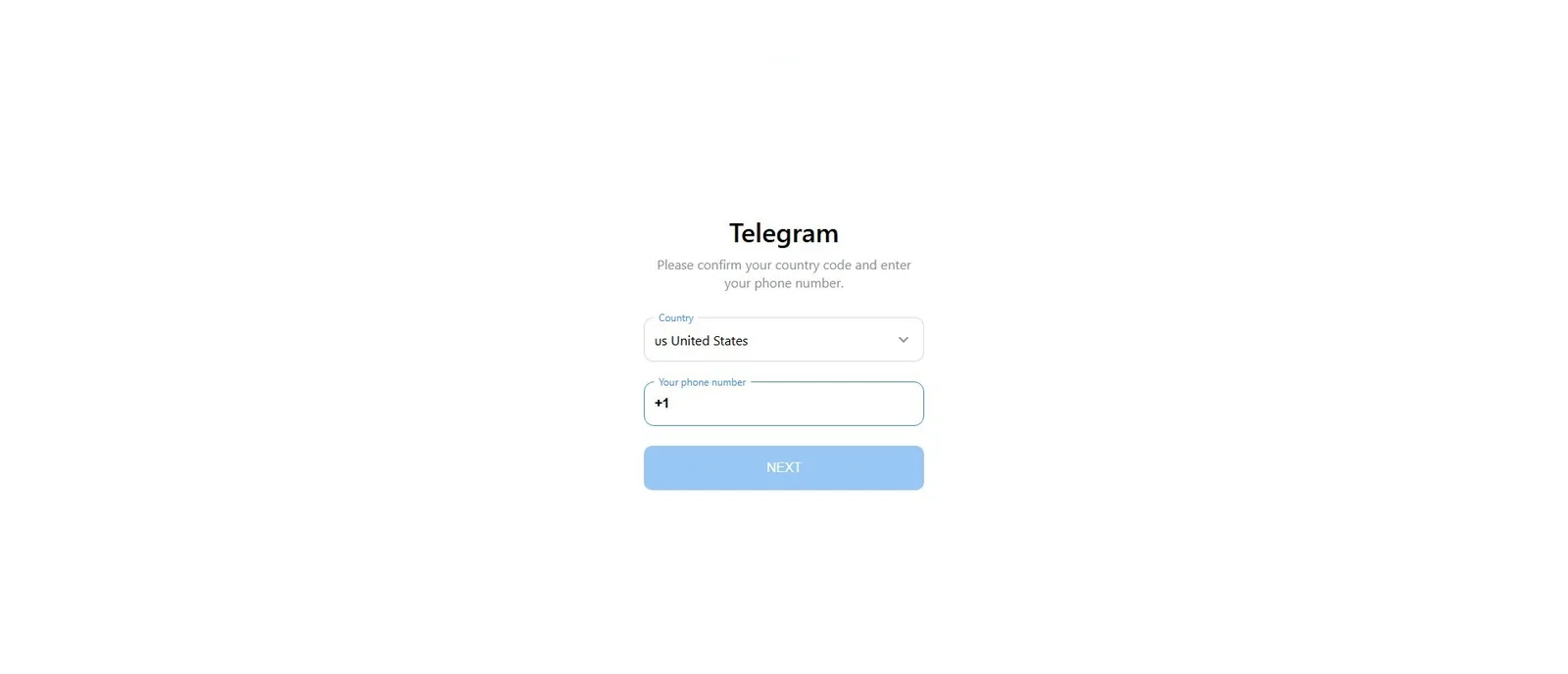
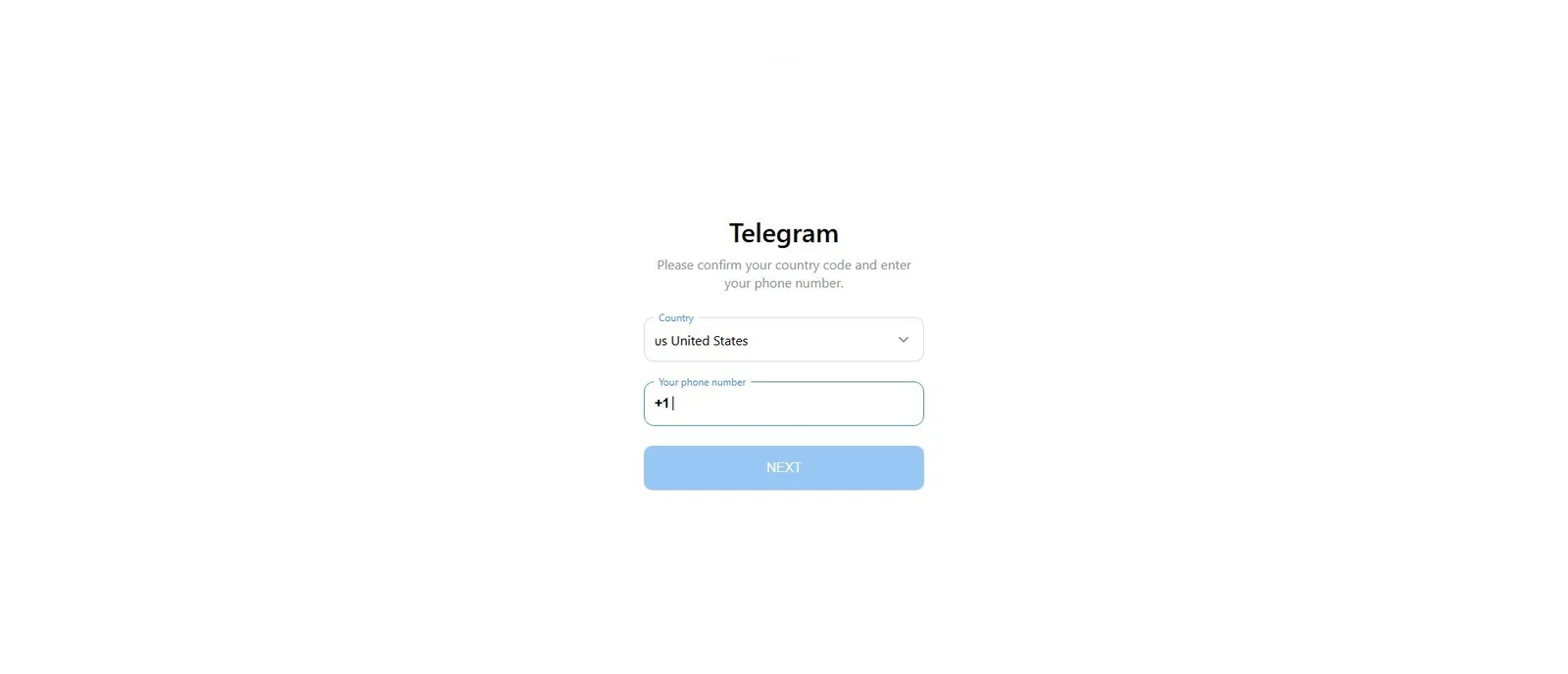
PhishDestroy flagged a batch of newly registered .sbs domains on 27 November 2026. Its analysis pages say tkoswnqtj.sbs, tnacawhsv.sbs and txsisauia.sbs each present a fake Telegram login form asking visitors to choose a country code and enter their phone number, a step used to hijack Telegram accounts once the victim also hands over the login code. PhishDestroy rates all three 100/100 'Dangerous', with 15 to 17 of 92 VirusTotal engines flagging them; all were registered on 26 November. The same researcher flagged further look-alike names the same morning (tnacjjdeu.sbs, which is also on the Phishing Army blocklist, and tgietzovc.sbs) with similar detection scores. PhishDestroy's screenshot shows a Telegram-branded page with a phone-number field. Telegram is being impersonated and is not involved. Log in to Telegram only in the official app or at web.telegram.org, and never share the login code Telegram sends you. Visitors should not enter passwords, card numbers, seed phrases or one-time codes on pages reached from unexpected emails, texts, ads or social-media links.
How the scam works
These pages copy a familiar login, payment or delivery form so that a typed password, one-time code, card number or other personal detail goes to the operator rather than to the real company. The address is often a look-alike domain, a newly registered shop, or a free host such as Weebly, Wix, Firebase, Vercel, Workers or Pages. Some kits cloak the real form from scanners and only show it in certain countries or to certain devices. The brand whose name or logo appears is being impersonated and is not involved, unless the report says the page was planted on a compromised official site, in which case only that path is the phishing lure. Open the official app or type the company's real address yourself. If you already entered a password or a card number, change the password on the official site, turn on a new two-factor method, and contact the company and your bank.
Source
Source: https://mastodon.social/@phishdestroy/117688971934166884 (PhishDestroy (@phishdestroy@mastodon.social), Nov 27, 2026, 9:53 AM ET)