What happened
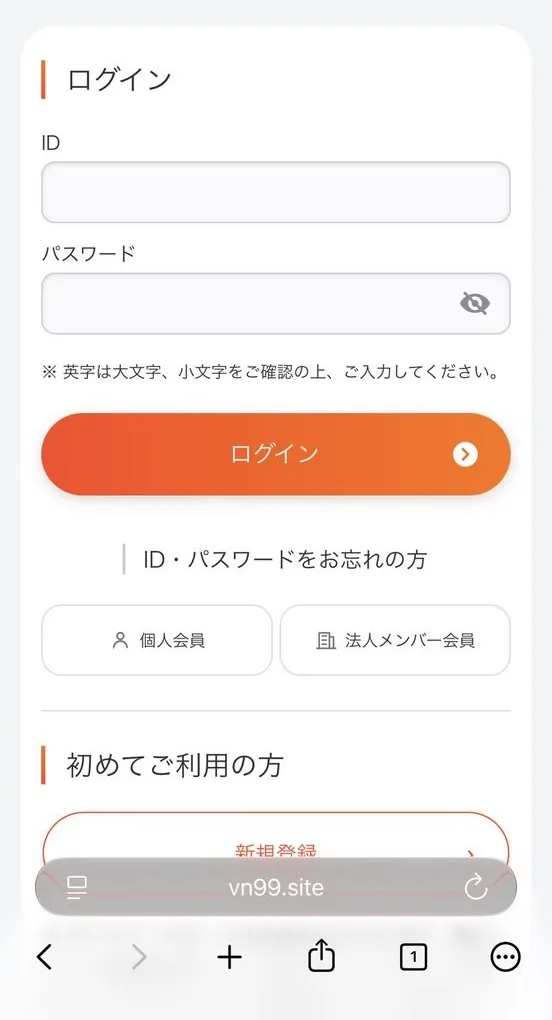
Anti-phishing project PhishDestroy posted a 'PHISHING DETECTED' alert for raiffeisenswitzerland[.]smartmediawallet[.]app on Mastodon on 21 November 2026. According to PhishDestroy's analysis page, the host raiffeisenswitzerland.smartmediawallet.app shows a red 'FINANZTRAIL mit RAIFFEISEN' header and an 'ANMELDUNG' (login) section in German asking visitors to sign in again with their email address and press 'WEITER'. PhishDestroy says the login form is designed to capture user credentials under the guise of a financial portal. It records a malicious urlscan verdict, 15 of 92 VirusTotal engines flagging it on 21 November 2026 (including Kaspersky, ESET and Fortinet) and an OpenPhish block, with the parent domain smartmediawallet.app listed on the Spamhaus DBL as an abused (not attacker-registered) domain, and scores the evidence 75/100 (critical); it says the page was still live on 21 November. Raiffeisen is not implicated; this report concerns only the raiffeisenswitzerland subdomain, not smartmediawallet.app or its other users. Anyone who entered details should change passwords and watch their accounts.
How the scam works
These pages copy a familiar login, payment or delivery form so that a typed password, one-time code, card number or other personal detail goes to the operator rather than to the real company. The address is often a look-alike domain, a newly registered shop, or a free host such as Weebly, Wix, Firebase, Vercel, Workers or Pages. Some kits cloak the real form from scanners and only show it in certain countries or to certain devices. The brand whose name or logo appears is being impersonated and is not involved, unless the report says the page was planted on a compromised official site, in which case only that path is the phishing lure. Open the official app or type the company's real address yourself. If you already entered a password or a card number, change the password on the official site, turn on a new two-factor method, and contact the company and your bank.
Source
Source: https://mastodon.social/@phishdestroy/117655768208430523 (PhishDestroy (@phishdestroy@mastodon.social), Nov 21, 2026, 1:09 PM ET)