What happened
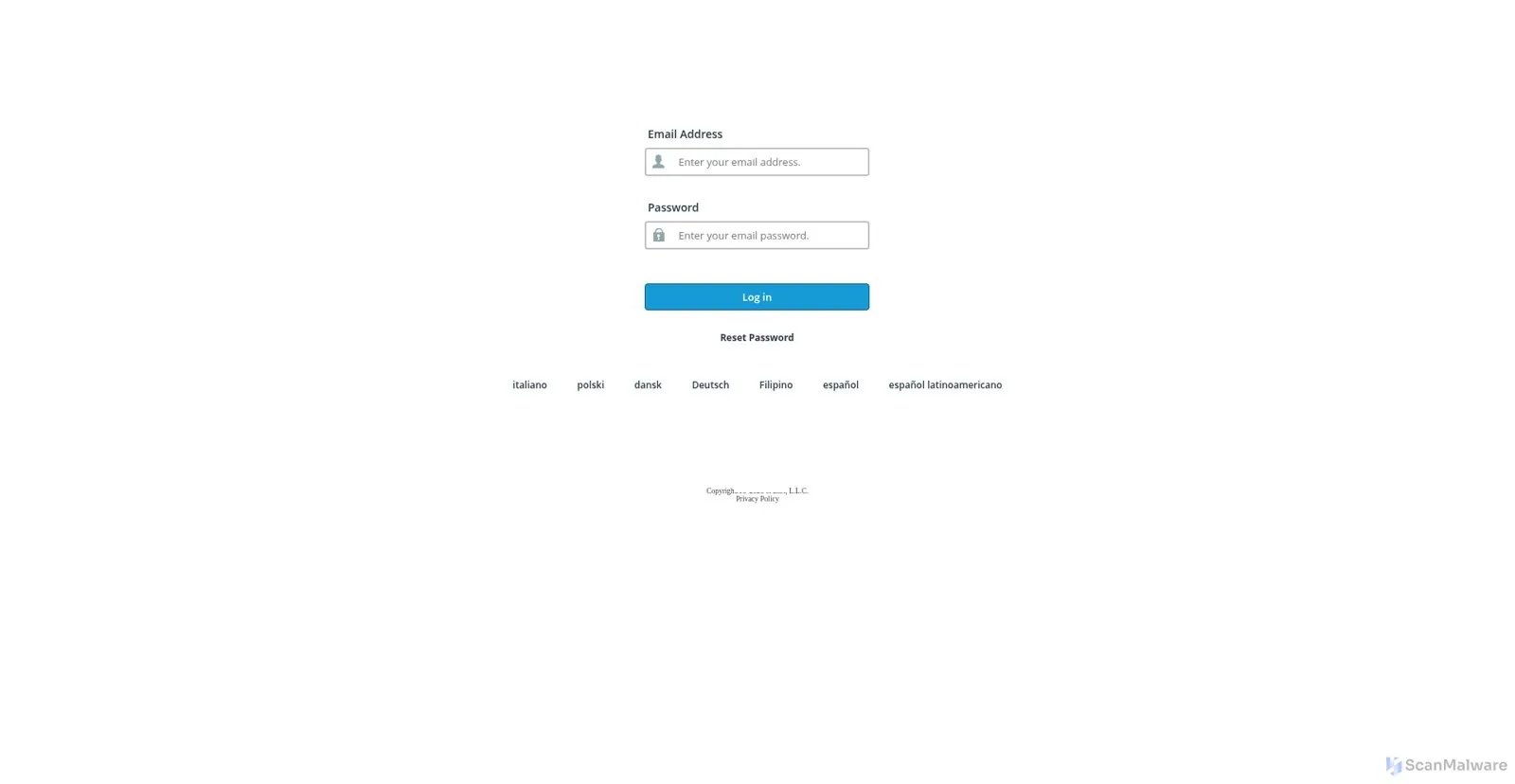
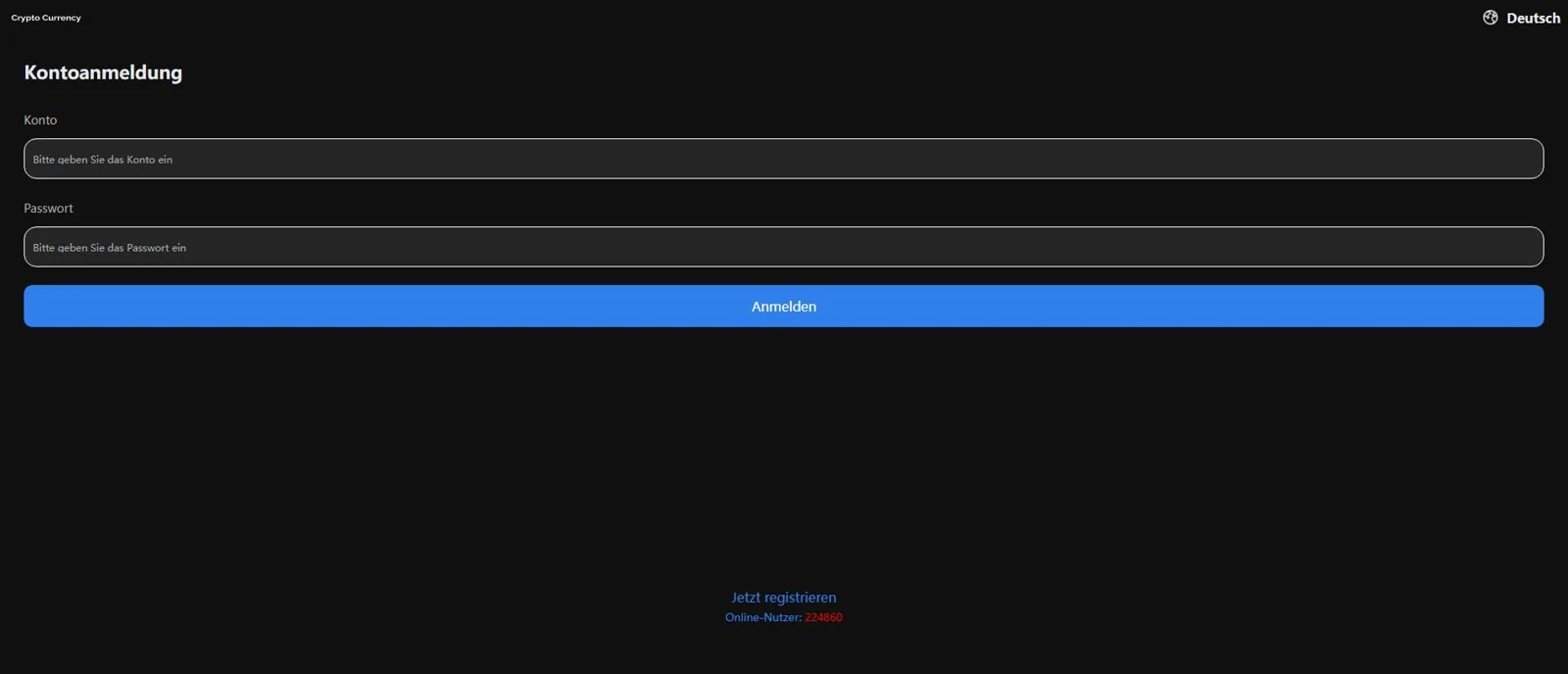
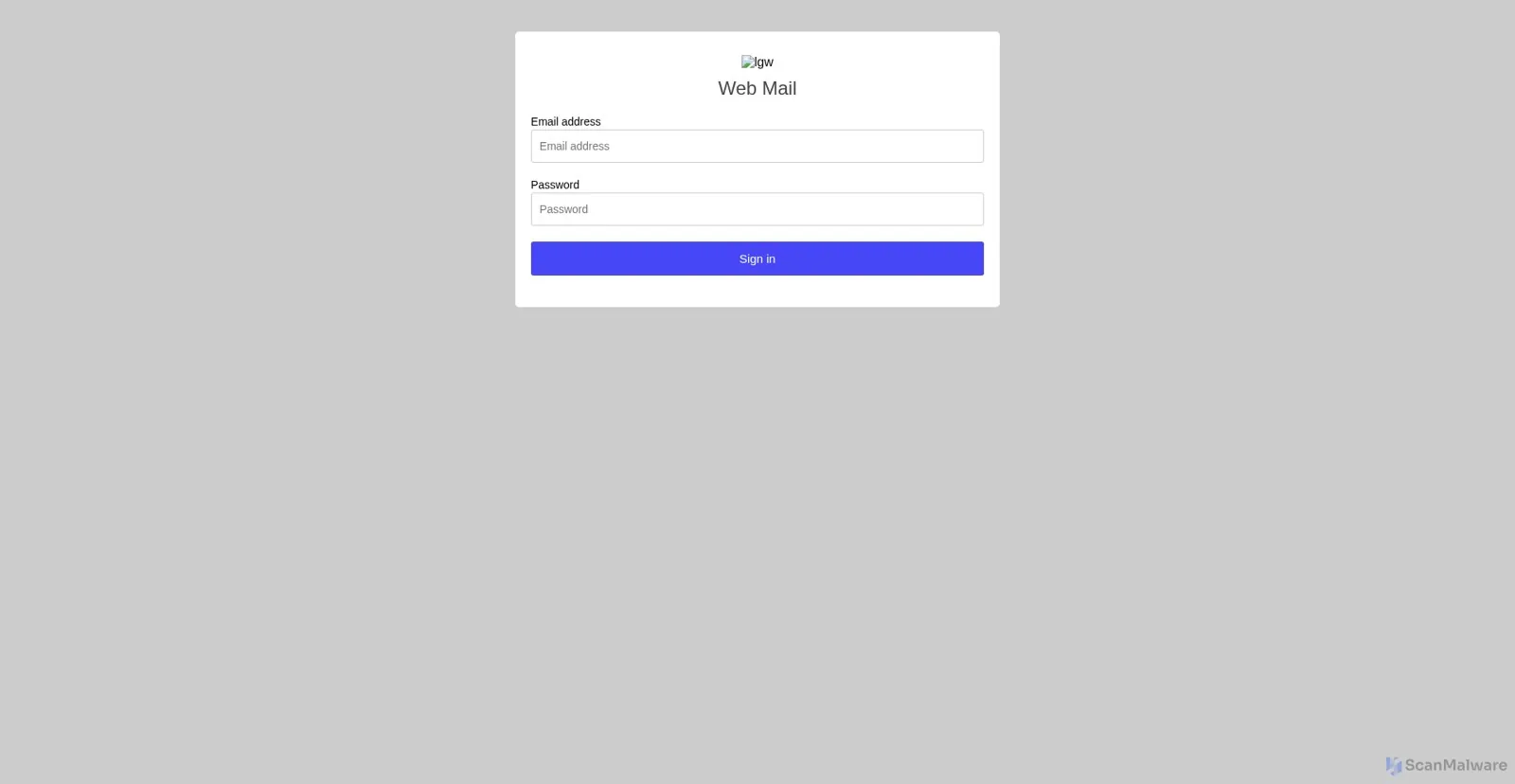
Researcher Malwarehunterr posted on 26 November 2026 about a fake Microsoft Teams phishing campaign. Screenshots show a 'Microsoft Teams' page with 'Meeting ID' and 'Join a meeting' boxes served from the bare IP address 109.176.30.90 on port 8082 (listed as live), with the same kit seen earlier on 109.176.30.90:8080, 84.200.17.240:8089, 84.200.128.122 (ports 8080, 8082, 8083, 8085), 31.57.35.53:8082 and 31.172.87.124:8080 (listed as down). According to the researcher's analysis of the page code, it collects 5-digit one-time codes and two-step verification passwords (its script contains Telegram-style 'requestTelegramCode' functions, though the targeted service is unconfirmed), logs keystrokes, tracks IP address and location, shows a fake meeting lobby and screen lock, and includes code to record and upload webcam and microphone streams; the researcher notes the audio/video collection has not been verified. One IP was previously documented by Proofpoint as malware infrastructure, but the researcher says attribution is unconfirmed. Microsoft is being impersonated and is not involved. Join Teams meetings only through the official app or teams.microsoft.com links, never grant camera or microphone access to a page on a raw IP address, and never type a login code you received into a meeting page.
How the scam works
These pages copy a familiar login, payment or delivery form so that a typed password, one-time code, card number or other personal detail goes to the operator rather than to the real company. The address is often a look-alike domain, a newly registered shop, or a free host such as Weebly, Wix, Firebase, Vercel, Workers or Pages. Some kits cloak the real form from scanners and only show it in certain countries or to certain devices. The brand whose name or logo appears is being impersonated and is not involved, unless the report says the page was planted on a compromised official site, in which case only that path is the phishing lure. Open the official app or type the company's real address yourself. If you already entered a password or a card number, change the password on the official site, turn on a new two-factor method, and contact the company and your bank.
Source
Source: https://x.com/Malwarehunterr/status/2125893711406223481 (Malwarehunterr (@Malwarehunterr) on X, Nov 26, 2026, 5:05 AM ET)