What happened
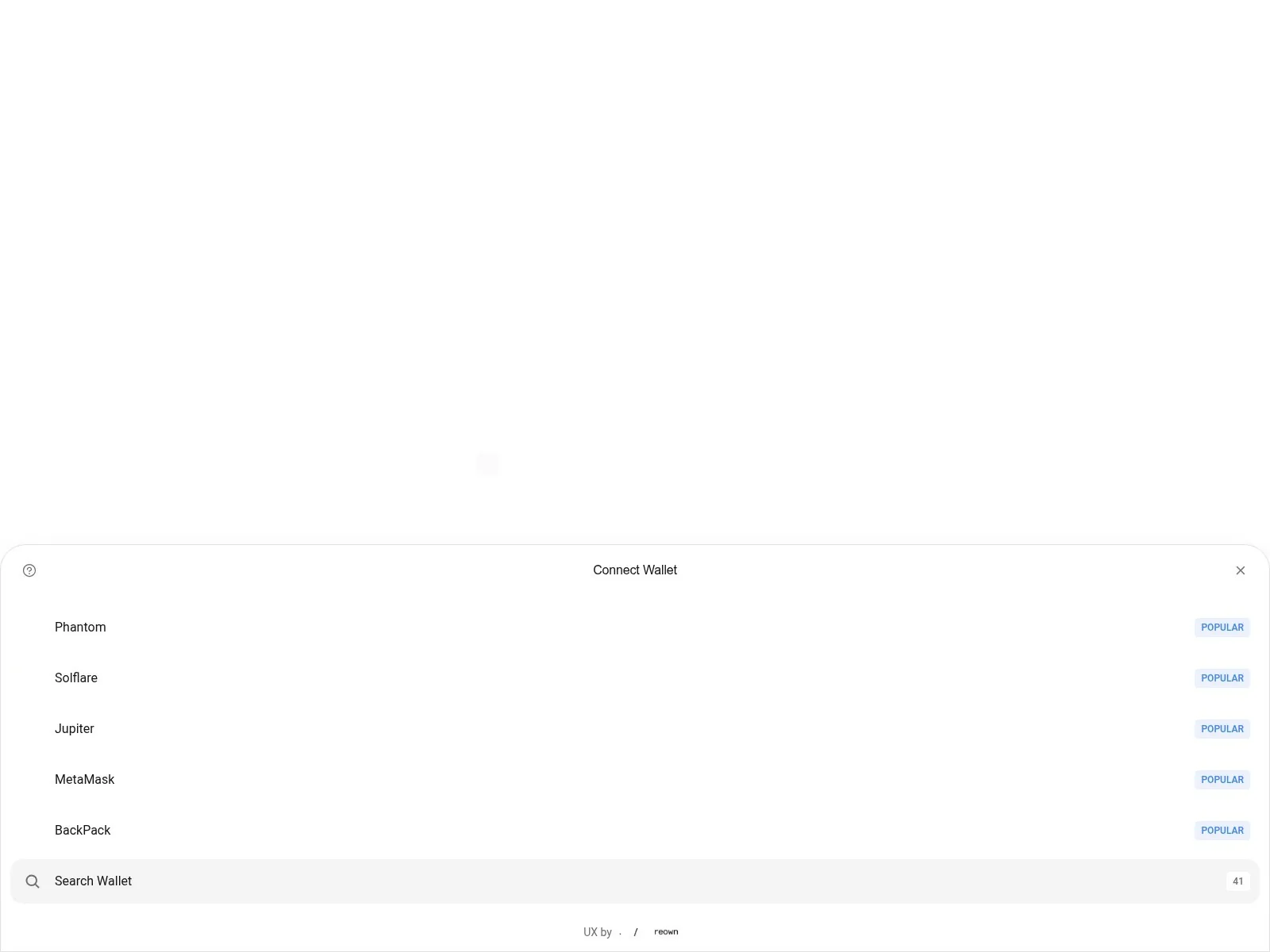
Anti-phishing project PhishDestroy posted a 'PHISHING DETECTED' alert for kamlno[.]icu on Mastodon on 28 November 2026. PhishDestroy's evidence page says the page mimics the branding of the Kamino Finance DeFi platform, with menus for 'Airdrop', 'Swap', 'Earn', 'Borrow', 'Multiply' and 'Liquidity', the header 'Lending Institutional Yield', tables of vaults with APY figures and deposit buttons, and a 'Connect Wallet' button inviting visitors to connect Web3 wallets to what it calls simulated lending vaults. The domain was registered through NICENIC International Group on 24 November 2026, four days before it was reported, and sits behind Cloudflare. Spamhaus DBL lists it and 2 of 92 VirusTotal engines (including Fortinet) flagged it on 27 November 2026; PhishDestroy rates it high risk. Kamino is not implicated; the look-alike spelling 'kamlno' replaces the 'i' with an 'l'.
How the scam works
Crypto phishing and draining sites ask you to connect a wallet, sign a transaction, 'claim' a token, or paste a recovery phrase. Once you approve the request, the operator can empty the wallet. Address-poisoning works differently: the operator sends dust or zero-value transfers from a look-alike address so that, later, a hurried copy-paste from the transaction history goes to them instead of to the address you meant. Always check every character of an address, and never connect a wallet or enter a seed phrase on a site you reached from a message, a pop-up or a look-alike URL. Official wallet and exchange brands named in a lure are not involved.
Source
Source: https://mastodon.social/@phishdestroy/117695688616225969 (PhishDestroy (@phishdestroy@mastodon.social), Nov 28, 2026, 2:21 PM ET)