Lookalike sharex-network.live impersonates the ShareX project with a fake airdrop claim page, MalwareTips says
MalwareTips reports in a post published October 20, 2026 that a ShareX airdrop scam uses the lookalike domain sharex-network[.]live to impersonate the ShareX project. The page copies the project's branding and display…
- First reported
- Reports
- 1
Source: malwaretips.com · published
What happened
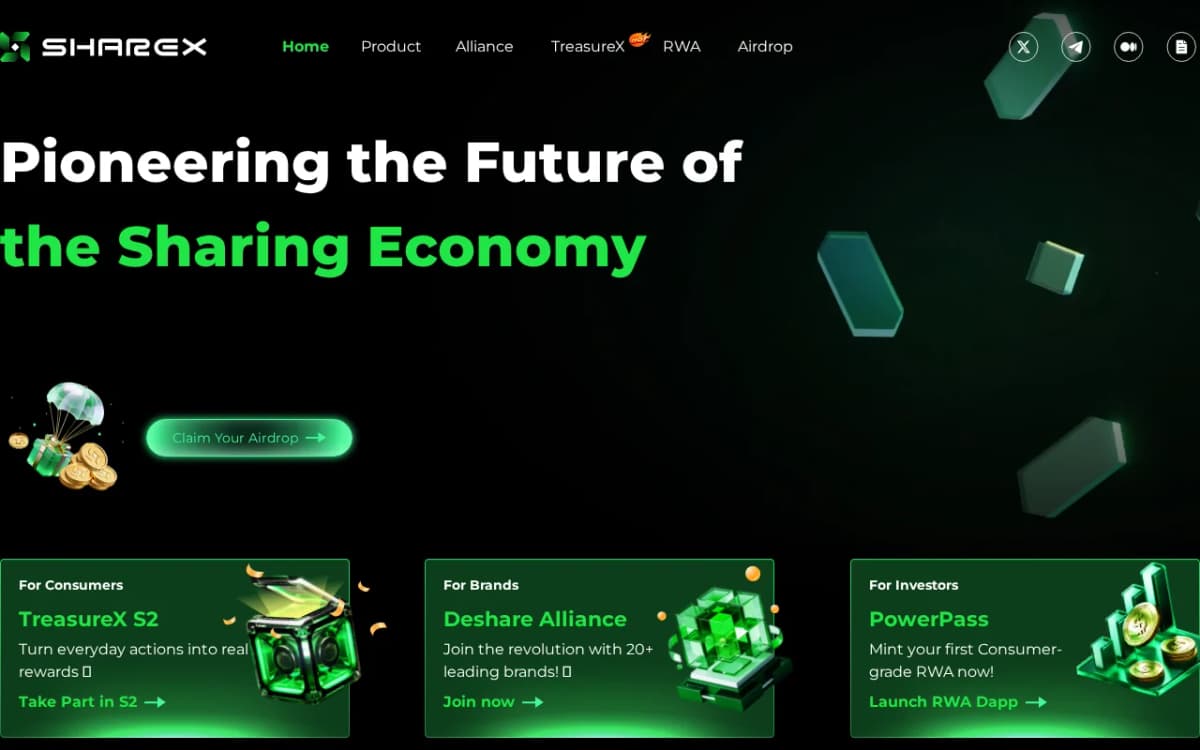
MalwareTips reports in a post published October 20, 2026 that a ShareX airdrop scam uses the lookalike domain sharex-network[.]live to impersonate the ShareX project. The page copies the project's branding and displays an airdrop invitation alongside TreasureX, Deshare Alliance and PowerPass sections so the giveaway appears to be part of the real ecosystem. MalwareTips points out that the genuine project uses sharex.network and documentation under docs.sharex.network, and that the hyphenated .live address is a separate domain, not part of the real site; ShareX is not involved in the scam page. According to MalwareTips, the reported claim journey opens a wallet-selection interface and is associated with a cryptocurrency-draining lure. MalwareTips says no wallet was connected during its review and the exact contract, transaction or signature requested was not independently verified. It advises not to use the page to claim rewards or approve wallet requests, not to install extensions it offers, and never to enter a recovery phrase or private key.
How the scam works
MalwareTips says visitors may arrive through a shared link, promotion or search result, and the page's branding encourages them to recognise ShareX first and check the address later. Because the address contains the project name and a network-related word, sharex-network.live can look sensible at a glance, but it and sharex.network are separate domains. The page wraps the claim in marketing for real-sounding parts of the ecosystem, borrowing the expectation that community activity can lead to rewards. The genuine ShareX documentation discusses airdrop eligibility under the project's own process, which does not validate this lookalike site.
The claim button opens a wide selection of wallet brands, which makes the request resemble a normal decentralised-app connection. MalwareTips says those logos are not endorsements and warns against installing any extension the reward page supplies; if a site claims your wallet needs repairing, updating or synchronising, use the wallet provider's own support. The page may call the next step verification or claiming, but the wallet's request determines what is authorised: a transfer sends assets, an approval can let another party move certain tokens later, and some signatures grant authority without looking like a payment. A recovery phrase or private key is never an airdrop eligibility credential.
Source
MalwareTips, "ShareX Airdrop Scam: Fake Sharex-network.live Page Targets Crypto Wallets" (published 20 October 2026).
Red flags
- A hyphenated or different domain (sharex-network.live) instead of the project's real address (sharex.network).
- An airdrop 'invitation' you didn't expect.
- A claim button that opens a wallet-connection menu.
- Offers to install a browser extension or 'fix' your wallet.
- Any request for a recovery phrase or private key.
If you were targeted
- 1Don't connect your wallet, sign, or approve anything on the page.
- 2Never type a recovery (seed) phrase or private key into a website or give it to 'support'.
- 3Check announcements only through the project's official website or accounts that you open yourself.
- 4If you connected and approved something, revoke the token approval with your wallet's or the network's approval tool and move remaining assets to a new wallet if you're unsure what you signed.
- 5If you disclosed a recovery phrase, treat the wallet as compromised and move assets to a new wallet created with a new phrase.
- 6Report the site to your wallet provider and, in the U.S., to the FBI's IC3 at ic3.gov.