What happened
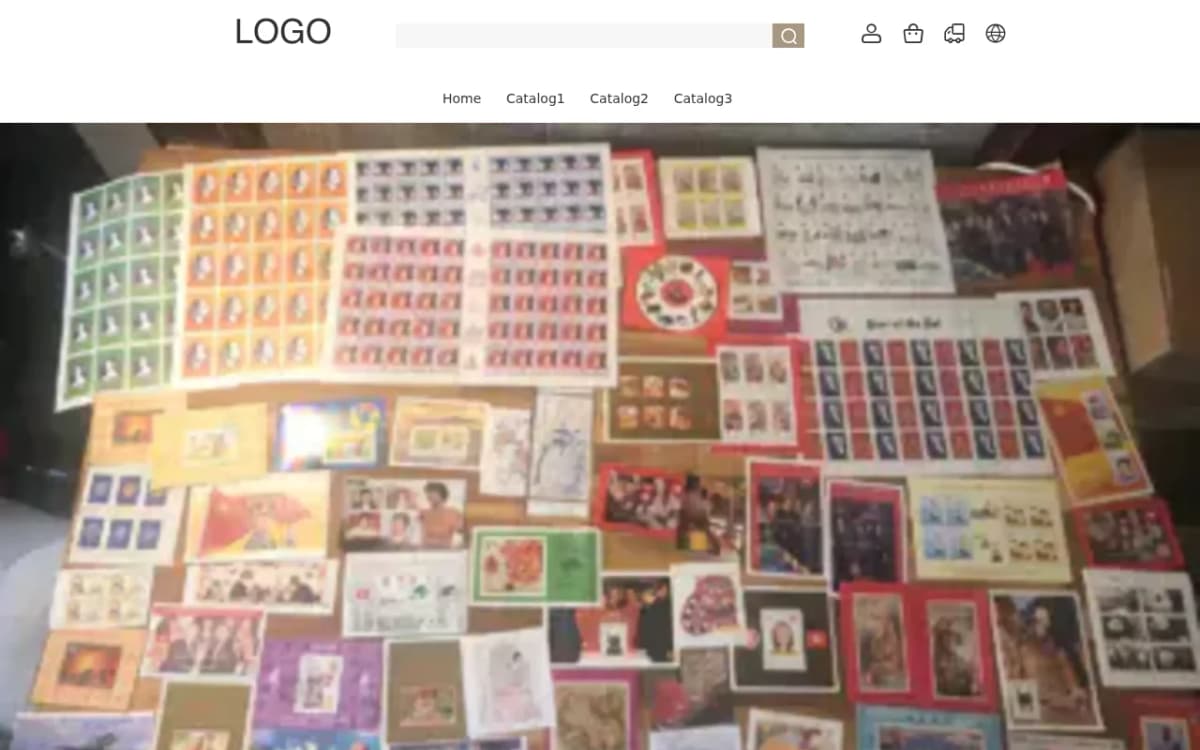
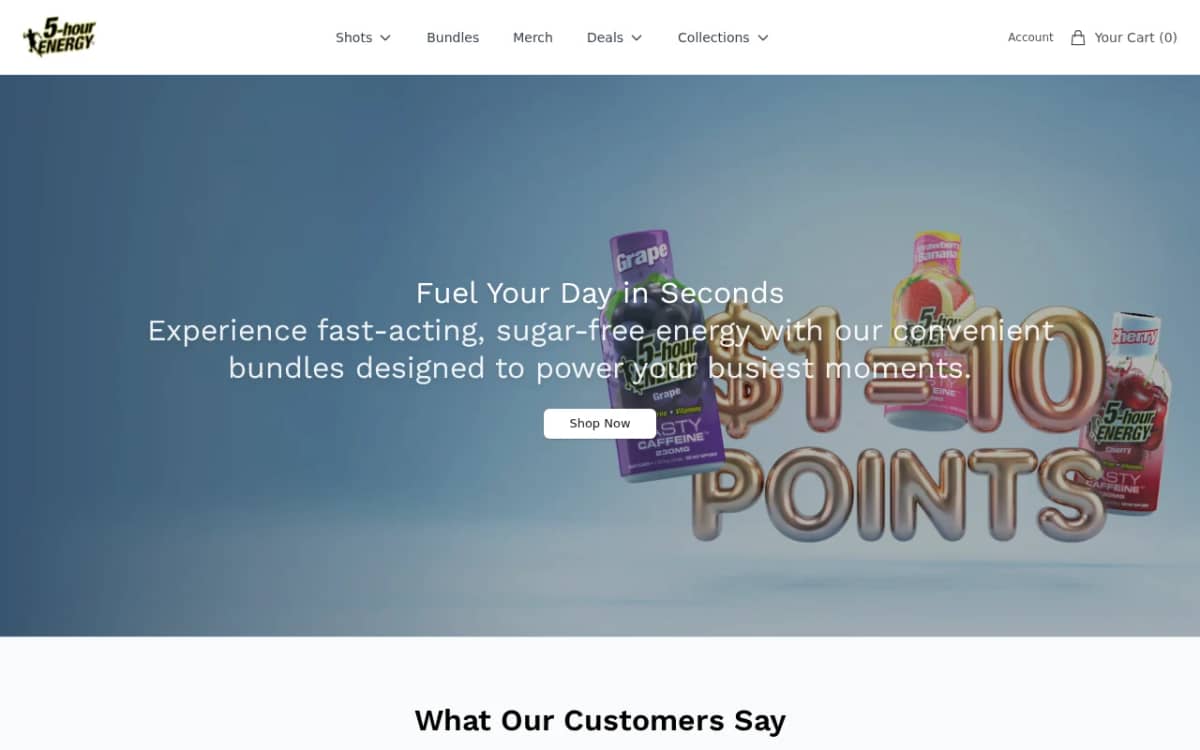
In a post dated October 22, 2026, MalwareTips says luninescent.shop is a fake store whose catalog, product photos and branding are copied from real brands and stores that do not run it. MalwareTips says luninescent.shop was registered on October 12, 2026 and that its URL scanner gives the site a Safety Score of 28/100, rated High Risk. MalwareTips adds that the site runs on staticassethub.com, a storefront platform it says is shared by a network of fake shops it tracks. It says the store belongs to a network of copycat shops that advertises heavily on Facebook, Instagram and TikTok with steep discounts, countdown timers or 'closing sale' banners, collects as many orders as it can and then switches domains. According to MalwareTips, buyers typically receive nothing, a cheap knockoff or an unrelated item, and may see unauthorised charges on the card used at checkout. MalwareTips advises not to buy from the site or enter card details. No operator identity or specific victim losses are stated in the source.
How the scam works
MalwareTips says the scheme follows a script copied across hundreds of copycat stores. A sponsored post appears in a Facebook, Instagram or TikTok feed using images and videos borrowed from real stores and brands, usually with an urgent hook such as an anniversary sale, a warehouse clearance or "we're closing our stores". Comments may be turned off or filled with quick, glowing replies. The site copies product photos, descriptions, menus and "free returns" badges, but a business name, address and working customer service are usually missing or lead nowhere.
At checkout, countdown timers, "only 3 left" badges and "12 people are viewing this" pop-ups push buyers to pay before they look closely, while bundles and free-shipping thresholds raise the basket. After payment a normal-looking confirmation email arrives. A tracking number may follow about a week later but often stays on "label created", while the card's dispute window runs down. If anything arrives it is usually a cheap copy shipped from overseas; some stores mail a cheap, unrelated item so tracking shows "delivered" and can be used against a refund claim. Support then stalls, or offers a 20% refund to keep the item or a return to China at the buyer's cost.
Source
MalwareTips, "Luninescent.shop EXPOSED - Fake Or Real Store? Our Findings" (published 22 October 2026).