MalwareTips rates circulonshop.shop 'Dangerous' (18/100), says it is a copycat store using lifted branding
In a post dated October 24, 2026, MalwareTips says circulonshop.shop lifts its products, photos and branding from genuine brands and stores but is not operated by any of them. MalwareTips says the domain was registere…
- First reported
- Reports
- 1
Source: malwaretips.com · published
What happened
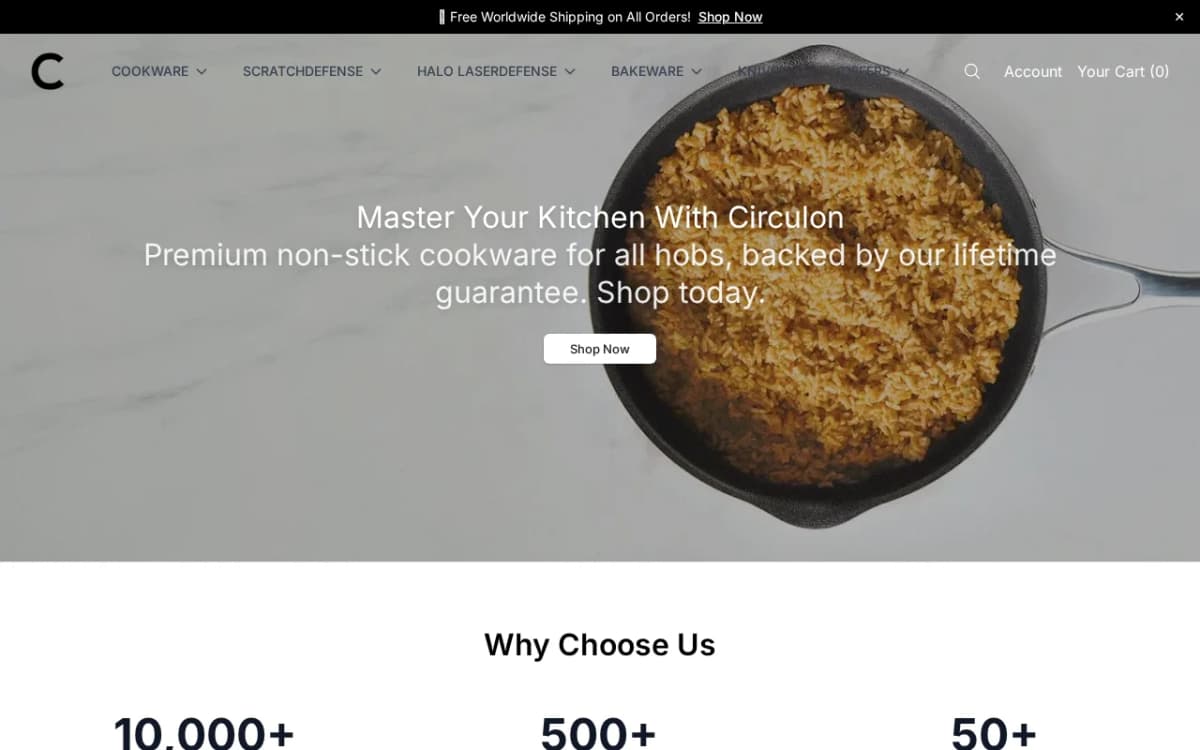
In a post dated October 24, 2026, MalwareTips says circulonshop.shop lifts its products, photos and branding from genuine brands and stores but is not operated by any of them. MalwareTips says the domain was registered on May 25, 2026, and its URL scanner gives the site a Safety Score of 18/100, rated Dangerous. MalwareTips says stores like this copy product photos, descriptions and branding from real brands and stores, none of which operate the site, and belong to a copycat network that runs heavy ads, offers steep discounts with countdown timers or 'closing sale' banners, and moves to new domains as complaints grow. It warns that some such stores ship a cheap token item so tracking shows 'delivered' and then use that to resist refunds. MalwareTips advises checking the store independently before buying and using payment methods with buyer protection. The source does not name any brand as being impersonated and makes no claim about who operates the site.
How the scam works
MalwareTips says the scheme follows a script copied across hundreds of copycat stores. A sponsored post appears in a Facebook, Instagram or TikTok feed using images and videos borrowed from real stores and brands, usually with an urgent hook such as an anniversary sale, a warehouse clearance or "we're closing our stores". Comments may be turned off or filled with quick, glowing replies. The site copies product photos, descriptions, menus and "free returns" badges, but a business name, address and working customer service are usually missing or lead nowhere.
At checkout, countdown timers, "only 3 left" badges and "12 people are viewing this" pop-ups push buyers to pay before they look closely, while bundles and free-shipping thresholds raise the basket. After payment a normal-looking confirmation email arrives. A tracking number may follow about a week later but often stays on "label created", while the card's dispute window runs down. If anything arrives it is usually a cheap copy shipped from overseas; some stores mail a cheap, unrelated item so tracking shows "delivered" and can be used against a refund claim. Support then stalls, or offers a 20% refund to keep the item or a return to China at the buyer's cost.
Source
MalwareTips, "Circulonshop.shop EXPOSED" (published 24 October 2026).
Red flags
- A store address that isn't the brand's own website or a retailer the brand lists.
- Discounts of 70% or more across the whole catalogue (for example $39 for an item that normally costs $180), with countdown timers or 'closing sale' banners.
- No registered company name, tax number or physical address in the footer, terms or imprint page.
- Support limited to a contact form or a generic email address, with no phone number or local return address.
- Refund, shipping and privacy pages copied from another shop, or returns that must go to China at your cost.
- Five-star reviews that can't be found anywhere else online.
If you were targeted
- 1Don't buy from the site or enter your card details at its checkout.
- 2Find the brand's official website through your own search and buy there or from retailers it lists.
- 3If you already paid, call your bank or card issuer and ask for a chargeback; disputes have time limits, often around 120 days. If you paid with PayPal, open an 'item not received' or 'significantly not as described' dispute (generally within 180 days).
- 4If you typed in your card number, ask for a replacement card, turn on transaction alerts and watch for small test charges.
- 5Keep the order email, tracking number and screenshots of the product page.
- 6Ignore follow-up 'customs fee' or 'address update' delivery texts, and change any password you reused on the site.
- 7Report the ad to the platform where you saw it and, in the U.S., file a report at ReportFraud.ftc.gov (econsumer.gov for cross-border purchases).