What happened
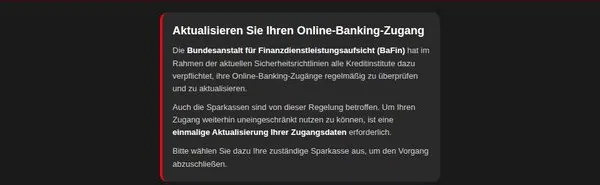
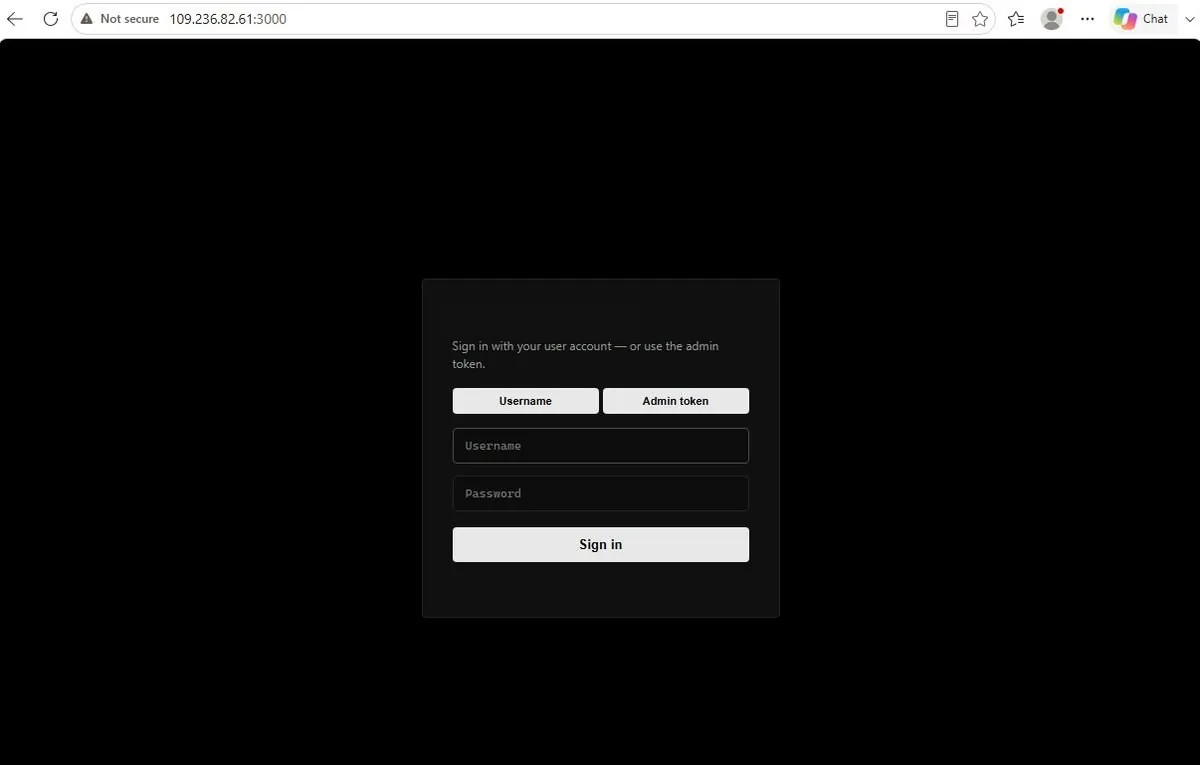
PhishStats, an automated phishing-detection feed, posted on 25 November 2026 that it had detected phishing at hxxps://outiooooredirect365[.]authoutoollooooooookreddirreccct[.]sbs/x80MF/index[.]php (Cloudflare IP 172.67.158.237). The hostname is built from misspellings of 'Outlook', 'redirect' and '365', and the link carries a parameter meant to be filled with the recipient's email address, a pattern used to pre-fill fake Microsoft 365 sign-in forms. The PhishStats screenshot shows a 'Secure Access Check' gate page, and urlscan.io has captures of the same host from 23 November. Microsoft is being spoofed and is not involved; sign in only at Microsoft's official login pages. Visitors should not enter passwords, card numbers or one-time codes on pages reached from unexpected emails, texts or ads.
How the scam works
These pages copy a familiar login, payment or delivery form so that a typed password, one-time code, card number or other personal detail goes to the operator rather than to the real company. The address is often a look-alike domain, a newly registered shop, or a free host such as Weebly, Wix, Firebase, Vercel, Workers or Pages. Some kits cloak the real form from scanners and only show it in certain countries or to certain devices. The brand whose name or logo appears is being impersonated and is not involved, unless the report says the page was planted on a compromised official site, in which case only that path is the phishing lure. Open the official app or type the company's real address yourself. If you already entered a password or a card number, change the password on the official site, turn on a new two-factor method, and contact the company and your bank.
Source
Source: https://x.com/PhishStats/status/2125620994274705463 (PhishStats (@PhishStats) on X, Nov 25, 2026, 11:01 AM ET)