What happened
Security researcher @catnap707 posted on X on 12 November 2026 about fake websites (偽サイト) impersonating the Tokyo Metropolitan Police Department (警視庁). The post lists the links jp[.]kdfz[.]net, jp[.]kstw[.]net, jp[.]kswt[.]net, jp[.]ksxz[.]net and jp[.]kdfx[.]net and the IP addresses 180.178.61.26 to 180.178.61.30 (AS963). Follow-up posts by the researcher list pages on the fake sites, including a top page (/index.html), an 'online administrative procedures' page and an 'online consultation' page (/meet). The Tokyo Metropolitan Police Department is impersonated and is not the operator. If someone claiming to be police sends you a website link, end the contact and call the police yourself using a number you look up independently. Source: https://x.com/catnap707/status/2120757575570645373
How the scam works
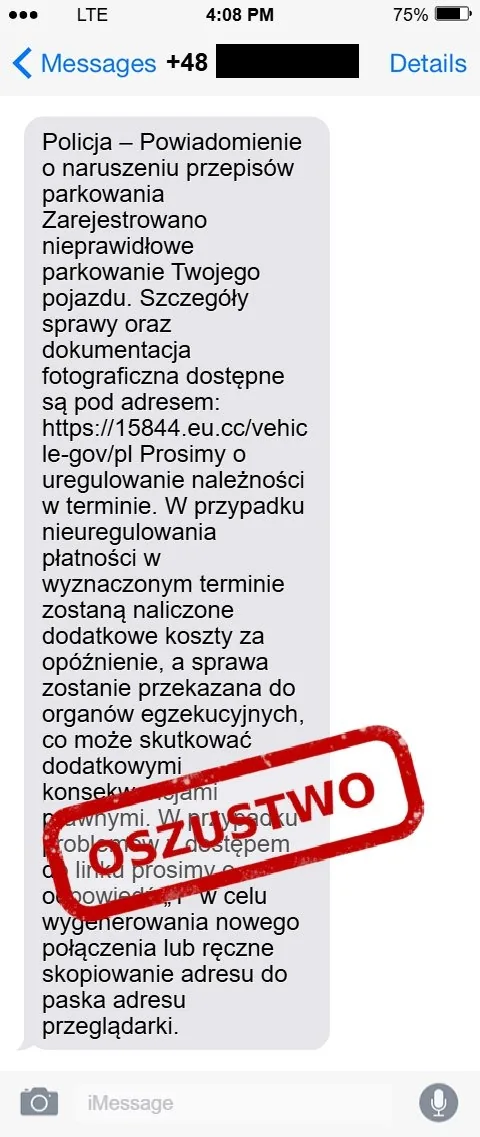
Messages that claim to come from the police or another government service, especially about a fine, a refund or an investigation, are a common way to steal card details, identity documents or a login. Real agencies do not demand immediate payment by a link in a text, or ask you to type a driving licence and a card number on a look-alike page. Go to the official website or app you already use, or call a number from a statement or a government directory, not from the message. If you entered card or document details, contact your bank and report the texts to your national CERT or police cyber unit.
If a message, a page or a caller creates urgency about money, a login or a legal threat, pause and check the claim through a contact method you already trust. Keep screenshots, reference numbers and the exact addresses or phone numbers you were given, and tell your bank early if money has already left the account. Official brands and authorised firms named in a lure are not involved unless a primary source says otherwise.
Source
Source: https://x.com/catnap707/status/2120757575570645373