Skip to content
Scammers.com
ImpersonationReviewed

Armenian PM's spokesperson warns of new fake Telegram account @NikolPashinyan_RA

In briefArmenia's state news agency Armenpress reported on its X account on 25 November 2026 that the spokesperson for Prime Minister Nikol Pashinyan had warned about a new fake Telegram account impersonating the prime minist…

First reported
Updated
Reports
1

Source: x.com · published

Illustration: Impersonation scams

What happened

Armenia's state news agency Armenpress reported on its X account on 25 November 2026 that the spokesperson for Prime Minister Nikol Pashinyan had warned about a new fake Telegram account impersonating the prime minister. The screenshot accompanying the report shows a Telegram profile named 'Նիկոլ Փաշինյան/Nikol...' with the username @NikolPashinyan_RA. Fake accounts using politicians' names are commonly used to solicit money, spread false statements or lure people into 'investment' schemes. Do not send money or personal information to accounts claiming to be officials; check government communications only through verified official channels.

How the scam works

Impersonation schemes borrow a trusted name — a school, a police force, a bank, a well-known person or a regulator-registered firm — so that a message, a website or a phone number looks official. The real organisation is not involved and will not ask you to pay, log in or send money through a surprise link or an unlisted number. Look up the official contact details yourself and call or write there. If you have already paid or given personal information, contact your bank and report the incident to the police or your national cyber-crime service.

If a message, a page or a caller creates urgency about money, a login or a legal threat, pause and check the claim through a contact method you already trust. Keep screenshots, reference numbers and the exact addresses or phone numbers you were given, and tell your bank early if money has already left the account. Official brands and authorised firms named in a lure are not involved unless a primary source says otherwise.

Source

Source: https://x.com/armenpress/status/2125507110347698584 (Armenpress (@armenpress) on X, Nov 25, 2026, 3:29 AM ET); https://armenpress.am/en/article/1266579 (Armenpress article, 25 Nov 2026, quoting PM's spokesperson Melania Harutyunyan)
Red flags

  • A message, page, group or phone number that uses a trusted organisation's or person's name, logo or contact details.
  • A request to pay, log in, or send money or personal information through an unofficial number or link.
  • Contact details that do not match the ones on the organisation's official website.
  • Urgency about an admission, a refund, a fine, an investigation or a limited offer.

If you were targeted

  1. 1Do not pay or log in through a link or number from the unexpected message.
  2. 2Look up the official website or phone number yourself and contact the organisation there.
  3. 3If you have already paid or shared information, contact your bank and report it to the police or your national cyber-crime service.
  4. 4Report the fake page, group or number to the platform and to the real organisation.
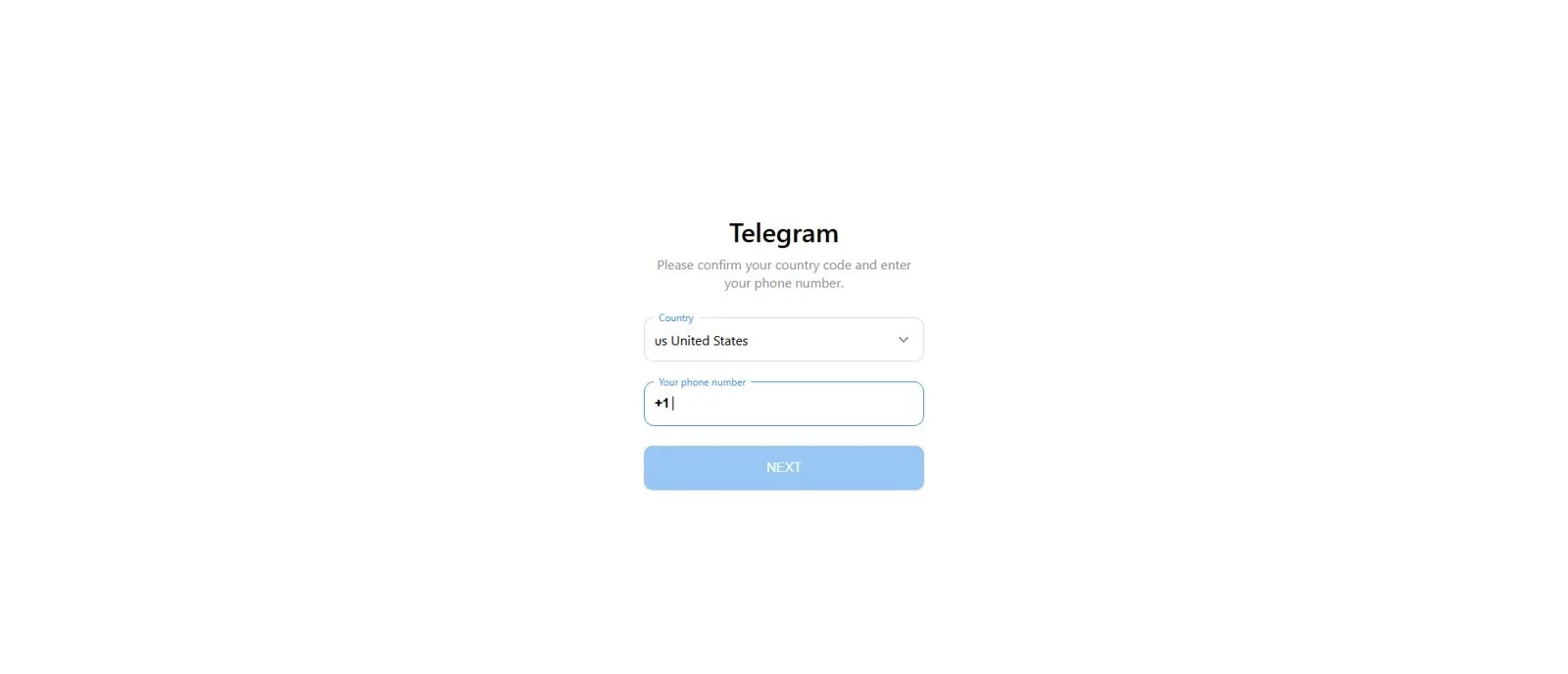
Screenshot from the report on Cluster of new .sbs domains such as tkoswnqtj.sbs host fake Telegram logins that ask for phone numbers; the impersonated brand's logo has been blanked out

Cluster of new .sbs domains such as tkoswnqtj.sbs host fake Telegram logins that ask for phone numbers

PhishDestroy flagged a batch of newly registered .sbs domains on 27 November 2026. Its analysis pages say tkoswnqtj.sbs, tnacawhsv.sbs and txsisauia.sbs each present a fake Telegram login form asking visitors to choos…

  • tkoswnqtj.sbs
  • Also PhishDestroy-flagged same day: tnacawhsv.sbs, txsisauia.sbs (same fake Telegram form); tnacjjdeu.sbs, tgietzovc.sbs
Reported Nov 27, 20261 report