What happened
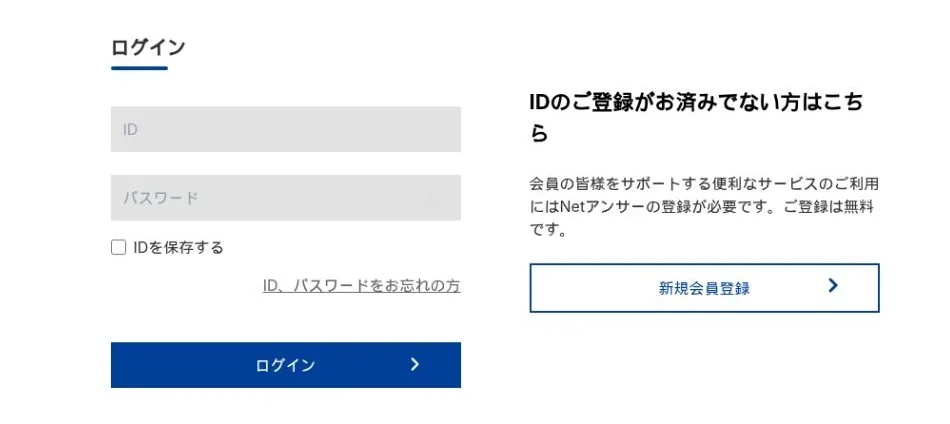
TheThreatWire's Phishing Alert #286, posted on 25 November 2026, reports that hxxps://capable-eclair-6d606f[.]netlify[.]app/ is potentially impersonating Aruba.it, the Italian web hosting, domain and email provider, and may be used to collect Aruba webmail and account passwords, two-factor codes and recovery details. The page is on a Netlify subdomain rather than Aruba's official domain. urlscan.io captures on 25 November recorded the page title 'Sign in to Webmail - Aruba Mail', and the hostname is on the Phishing Army community blocklist (25 November build) and in the OpenPhish public feed. Aruba and Netlify are being misused and are not involved; log in to Aruba webmail only through Aruba's official website. Visitors should not enter passwords, card numbers or one-time codes on pages reached from unexpected emails, texts or ads.
How the scam works
These pages copy a familiar login, payment or delivery form so that a typed password, one-time code, card number or other personal detail goes to the operator rather than to the real company. The address is often a look-alike domain, a newly registered shop, or a free host such as Weebly, Wix, Firebase, Vercel, Workers or Pages. Some kits cloak the real form from scanners and only show it in certain countries or to certain devices. The brand whose name or logo appears is being impersonated and is not involved, unless the report says the page was planted on a compromised official site, in which case only that path is the phishing lure. Open the official app or type the company's real address yourself. If you already entered a password or a card number, change the password on the official site, turn on a new two-factor method, and contact the company and your bank.
Source
Source: https://x.com/TheThreatWire/status/2125559725966409974 (TheThreatWire (@TheThreatWire) on X, Nov 25, 2026, 6:58 AM ET)