What happened
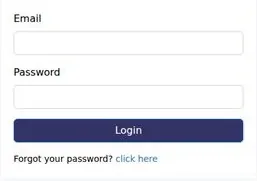
ScanMalware (a web-scanning service) posted on Mastodon (and on X as @scanmalware) on 23 November 2026 that pub-356ad1f1b7004ab18b5eebfcb05c5332.r2.dev received a 'Confirmed Scam' verdict. According to ScanMalware's linked analysis, the Cloudflare R2 bucket serves oeojw.html, a copy of the cPanel Webmail login page titled 'Webmail Login!!!' with email and password fields whose submission is intercepted by script rather than sent to a visible legitimate endpoint, a pattern ScanMalware associates with kits that exfiltrate entered credentials. cPanel is not the operator; its branding is being copied. The hostname also appears on the Phishing Army extended blocklist (list generated 23 November 2026), a public phishing domain blocklist. r2.dev is a shared hosting platform; only the subdomain(s) named here are reported, and the platform is not the operator.
How the scam works
These pages copy a familiar login, payment or delivery form so that a typed password, one-time code, card number or other personal detail goes to the operator rather than to the real company. The address is often a look-alike domain, a newly registered shop, or a free host such as Weebly, Wix, Firebase, Vercel, Workers or Pages. Some kits cloak the real form from scanners and only show it in certain countries or to certain devices. The brand whose name or logo appears is being impersonated and is not involved, unless the report says the page was planted on a compromised official site, in which case only that path is the phishing lure. Open the official app or type the company's real address yourself. If you already entered a password or a card number, change the password on the official site, turn on a new two-factor method, and contact the company and your bank.
Source
Source: https://scanmalware.com/result/b28a842f-9a42-4c86-a204-fa7402d29874
Source: https://phishing.army/download/phishing_army_blocklist_extended.txt
Source: https://infosec.exchange/@scanmalware/117664076080125234