What happened
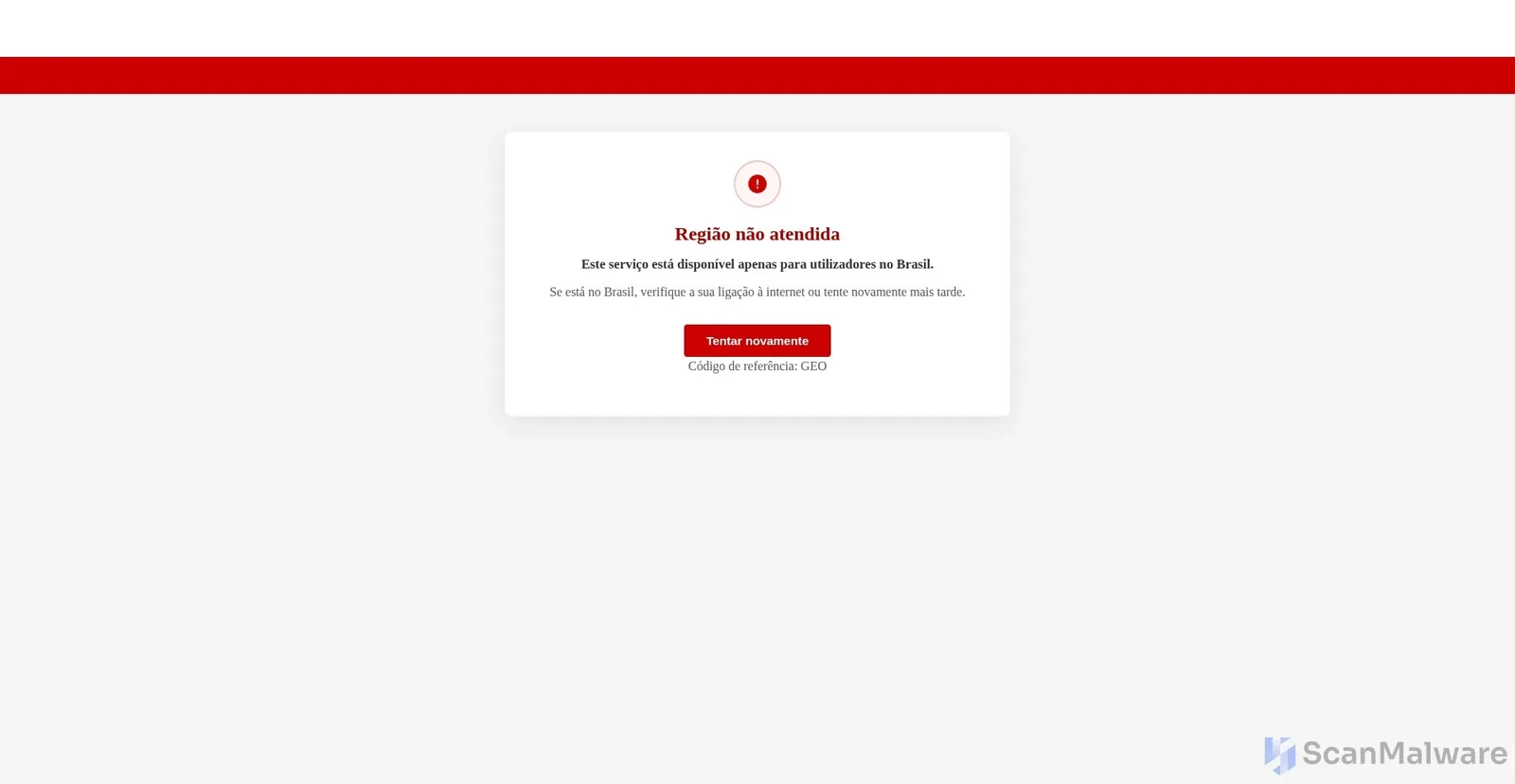
ScanMalware (a web-scanning service) posted on Mastodon (and on X as @scanmalware) on 28 November 2026 'Confirmed Scam' verdicts for burquri-mpt-fenlavo-k6d8pe93.pages.dev, lemfaro-mpt-qunzeli-h8x5ka47.pages.dev, marfuni-mpt-zulqelo-p9x3me65.pages.dev, lemqeni-mpt-zurqalo-p5d8me74.pages.dev and qavzuni-mpt-felmero-r4k7xa852.pages.dev. According to ScanMalware's linked analyses, all five disposable Cloudflare Pages subdomains (each built on a 'word-mpt-word' naming pattern) are titled 'Meta for Business | Page Appeal' and match an analyst-vetted 'Meta Page Appeal' credential-phishing kit. ScanMalware says the kit collects email and password through a fake appeal flow, shows a 'Request Submitted' page telling victims their appeal will be reviewed and not to share their 'reference code' except with 'authorized staff', and cloaks itself by sending datacenter visitors (such as scanners) to the real facebook.com. Facebook and Instagram account or Page problems should only be handled inside the official apps or Meta's own sites. Meta is not the operator; its brand is being imitated. pages.dev is a shared hosting platform; only the subdomain(s) named here are reported, and the platform is not the operator. All of these hostnames also appear on the Phishing Army extended blocklist (list generated 28 November 2026), a public phishing domain blocklist.
How the scam works
These pages copy a familiar login, payment or delivery form so that a typed password, one-time code, card number or other personal detail goes to the operator rather than to the real company. The address is often a look-alike domain, a newly registered shop, or a free host such as Weebly, Wix, Firebase, Vercel, Workers or Pages. Some kits cloak the real form from scanners and only show it in certain countries or to certain devices. The brand whose name or logo appears is being impersonated and is not involved, unless the report says the page was planted on a compromised official site, in which case only that path is the phishing lure. Open the official app or type the company's real address yourself. If you already entered a password or a card number, change the password on the official site, turn on a new two-factor method, and contact the company and your bank.
Source
Source: https://scanmalware.com/result/4b900f00-5966-4041-8473-32827a719685
Source: https://scanmalware.com/result/5ac63bcd-2dfa-45ce-af35-644e067e5bd9
Source: https://scanmalware.com/result/124c6697-9eac-4c0b-a19f-7738e4df2bd3
Source: https://scanmalware.com/result/262510fd-4415-48ef-a2a9-f39f57154828
Source: https://scanmalware.com/result/d857f39e-12c4-4871-a210-245e941a1d72
Source: https://phishing.army/download/phishing_army_blocklist_extended.txt
Source: https://infosec.exchange/@scanmalware/117694551750711549
Source: https://infosec.exchange/@scanmalware/117694517497450917
Source: https://infosec.exchange/@scanmalware/117694510994630504
Source: https://infosec.exchange/@scanmalware/117694197965162031
Source: https://infosec.exchange/@scanmalware/117694700077613351